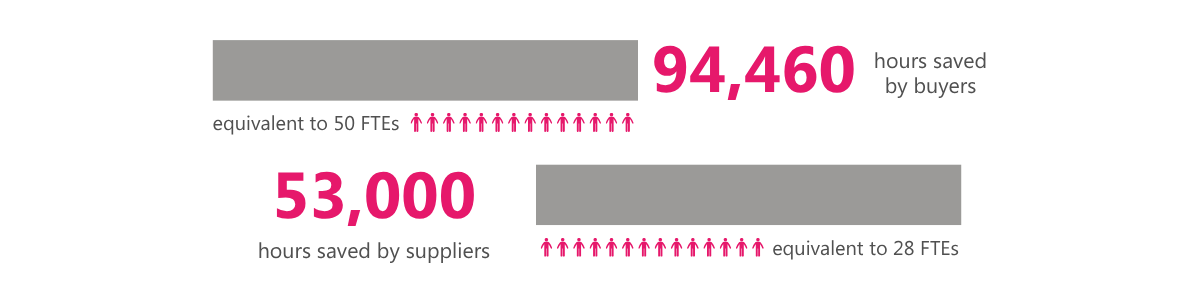
In 2026, pooled assessments through FSQS saved buyers and suppliers 737,300 hours.
Time that would otherwise have been spent gathering evidence, answering overlapping questions and repeating assessment work.
So how does sharing assurance make that much difference?
Everyone Is Asking. Suppliers Are Answering, Again.
Banks, building societies and insurers need credible and in-depth assurance about the critical suppliers they work with.
For suppliers, that often means responding to several customers’ assessments. Different requests, but familiar territory: the same controls, supporting documents and subject matter experts.
For buyers, it means gathering and reviewing evidence that another financial institution may already have assessed.
Each customer has its own requirements. But where those requirements overlap, repeating the work adds to the workload on both sides.
There’s a better way to get that shared evidence.
One Assessment. More Value From The Same Work.
FSQS Stage 3 brings buyers together around an agreed assessment scope.
A supplier completes one independent assessment and can then choose to share its report with multiple FSQS buyers.
Buyers gain access to assurance evidence without starting from scratch. Suppliers spend less time responding to repeated requests.
It doesn’t replace every customer audit or remove the need for buyers to make their own assessments. It gives them a common foundation to work from.
Shared evidence. Independent decisions.
What Does That Look Like In Practice?
Two examples show how the model works for both sides.
One supplier. One report, used 14 times.
One supplier’s assessment report was used by 14 different buyers.
What happened when a supplier’s report was used 14 times?
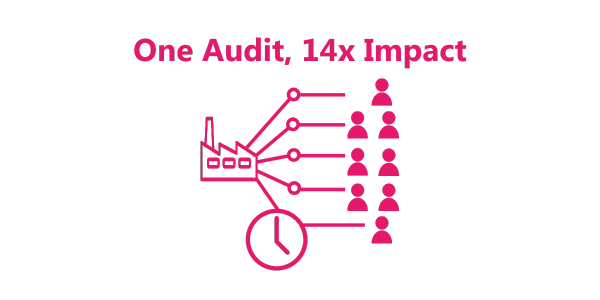
That represented nearly 7,000 hours saved across the buyers and supplier by reducing repeated assessment work.
The supplier’s controls hadn’t changed depending on who was asking. Sharing the report allowed more customers to draw on the same evidence.
One buyer. 18 pooled reports.
One financial institution accessed 18 pooled supplier reports through FSQS.
What happened when a buyer used 18 pooled reports?
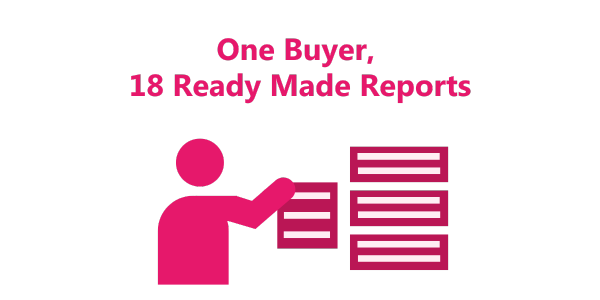
That translated into 2,736 hours of internal capacity gained.
Rather than beginning each assessment from scratch, the buyer could draw on work already completed.
Now consider that principle across a community of buyers and suppliers.
In 2026, the combined saving reached 737,300 hours.
Less Repetition. More Room to Focus on Risk.
Hours saved matter because of the people behind them.
The specialists gathering evidence alongside their day jobs. The audit and third-party risk teams balancing assessment workloads with findings that need attention.
Reducing repeated work creates room for those priorities.
More time to understand what an assessment reveals. To discuss weaknesses with suppliers. To follow up on remediation and decide where further assurance is needed.
The report is a starting point. The value comes from what you do with it.
And sharing that starting point means each organisation can spend less effort recreating it.
Put Pooled Assessments To Work.
FSQS pooled assessments are exclusive to members - but becoming part of the community is easy.
Already a member? Here’s how to take part:
Buyers: Speak to your FSQS Service Delivery Manager to start accessing pooled assessment reports and nominating your shared suppliers. No additional subscription!
Suppliers: Register here to complete one professionally managed assessment, shared with multiple FSQS buyers.
737,300 hours saved in 2026.
Less time repeating the work. More capacity to act on what it tells you.