


Due Diligence Software: Choosing the Right Solution
Due diligence software helps organisations collect supplier information, automate routine workflows, monitor changes, and maintain a clearer view of risk across supplier and third-party relationships.

Due diligence software helps organisations collect supplier information, automate routine workflows, monitor changes, and maintain a clearer view of risk across supplier and third-party relationships.
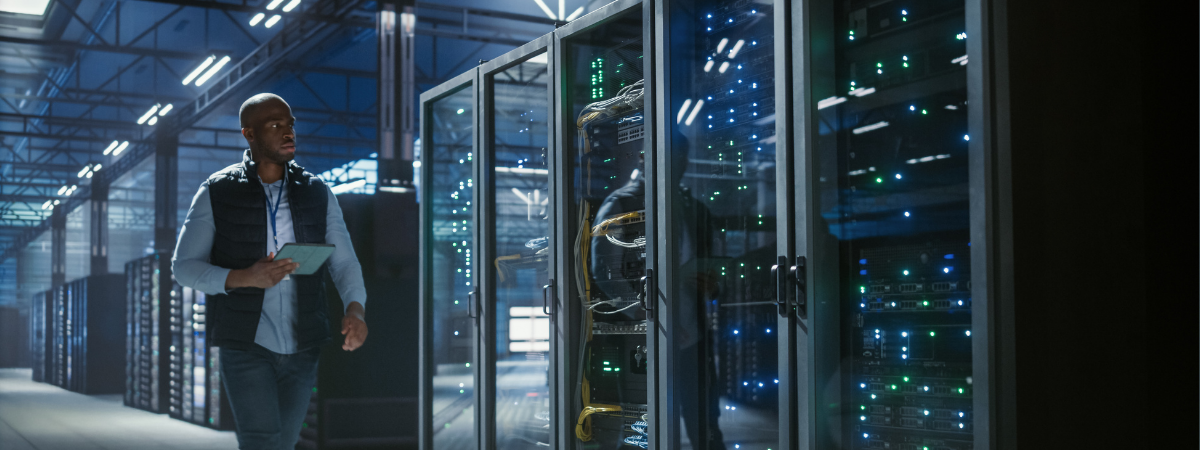
Due diligence can quickly become difficult to manage when questionnaires, documents, approvals, and risk assessments are spread across emails, spreadsheets, and disconnected systems.
As supplier populations grow and risk requirements become more complex, manual processes place increasing pressure on procurement, risk, cybersecurity, compliance, and sustainability teams.
Technology can reduce this administrative burden by creating a more consistent and scalable process. It can centralise supplier information, automate repeatable tasks, identify missing evidence, and support ongoing monitoring after onboarding.
However, choosing the right solution involves more than comparing software features. Organisations also need to consider the quality of the underlying information, the support available to suppliers, and how technology will fit into their wider due diligence framework.
What Is Due Diligence Software?
Due diligence software is technology used to support the collection, verification, assessment, and monitoring of information about suppliers, vendors, and other third parties.
Depending on the solution, it may help organisations:
-
Distribute and manage questionnaires
-
Collect supporting documentation
-
Centralise supplier records
-
Apply risk classifications
-
Coordinate internal reviews
-
Track approvals and remediation
-
Monitor changes and warning signs
-
Maintain audit trails
-
Produce reports and dashboards
-
Integrate with procurement and risk systems
The objective is to make due diligence more efficient, consistent, and visible throughout the relationship.
Technology should support the organisation’s due diligence process rather than define it. Risk ownership, assessment criteria, approval thresholds, and decision-making responsibilities must still be established internally.
What Can Due Diligence Technology Automate?
Not every part of due diligence should be automated. However, many repeatable and administrative activities can be supported by technology.
Questionnaires and Information Requests
Software can automatically issue questionnaires and evidence requests based on the supplier’s characteristics or initial risk classification.
This may include:
-
Sending questionnaires
-
Applying conditional questions
-
Requesting supporting documents
-
Issuing reminders
-
Tracking completion
-
Identifying unanswered questions
-
Flagging inconsistent responses
Conditional questionnaires can improve proportionality by only presenting questions relevant to the supplier and relationship.
Workflow and Internal Reviews
Due diligence often requires input from several business functions.
Automated workflows can direct information to the appropriate reviewers based on the risks identified.
A supplier’s responses may trigger reviews by:
-
Procurement
-
Third-party risk management
-
Finance
-
Legal and compliance
-
Cybersecurity
-
Data protection
-
Operations
-
Sustainability
Technology can also track outstanding reviews, notify decision-makers, and prevent approval from progressing before required checks are completed.
Document Management
Due diligence software can provide a central location for policies, certifications, insurance documents, financial information, and other evidence.
It may also help:
-
Record issue and expiry dates
-
Notify teams when documents need updating
-
Link evidence to relevant questions
-
Maintain document versions
-
Restrict access to sensitive information
-
Identify missing documentation
-
Support audit and regulatory reviews
Centralising evidence reduces the risk of teams working from different or outdated versions of the same information.
Risk Classification and Scoring
Technology can support consistent supplier segmentation and risk assessment.
A solution may classify suppliers according to factors such as:
-
Service criticality
-
Contract value
-
Data and systems access
-
Regulatory significance
-
Geographic location
-
Use of subcontractors
-
Financial exposure
-
Potential impact of failure
It can then apply assessment requirements, workflows, and review schedules based on the risk classification.
Automated scoring can support consistency, but it should not be treated as a substitute for specialist judgement. Organisations need to understand how scores are calculated and when human review or escalation is required.
Remediation Tracking
Where due diligence identifies gaps, technology can help organisations manage the actions required to resolve them.
This may include:
-
Recording the issue
-
Assigning an owner
-
Setting a deadline
-
Requesting evidence of completion
-
Tracking interim controls
-
Escalating overdue actions
-
Recording risk acceptance
-
Closing verified actions
This helps prevent approval conditions and temporary exceptions from being forgotten after onboarding.
Ongoing Monitoring
Supplier risk can change throughout a relationship.
Due diligence technology can help monitor:
-
Financial health
-
Cybersecurity indicators
-
Sanctions and watchlists
-
Adverse media
-
Regulatory enforcement
-
Insurance and certification expiry dates
-
Ownership changes
-
Supplier performance
-
Remediation progress
-
Changes to services or subcontractors
Monitoring can alert teams to relevant changes between scheduled reviews, allowing the organisation to investigate and respond earlier.
Reporting and Audit Trails
Technology can create a more complete record of how supplier decisions were made.
An effective audit trail may show:
-
Information requested and received
-
Evidence reviewed
-
Validation completed
-
Risks identified
-
Internal reviewers involved
-
Remediation agreed
-
Exceptions accepted
-
Approvals completed
-
Monitoring activity
-
Changes made over time
This supports internal governance, regulatory reporting, audits, and future reassessments.
Integration With Other Business Systems
Due diligence does not operate in isolation.
Relevant information may need to flow between procurement, contract management, finance, cybersecurity, enterprise risk, and supplier management systems.
Integration can help organisations:
-
Avoid entering the same supplier data repeatedly
-
Trigger due diligence from procurement workflows
-
Prevent unapproved suppliers from progressing
-
Link contracts with assessment findings
-
Share risk information across relevant teams
-
Maintain consistent supplier identifiers
-
Improve reporting across the supplier lifecycle
When choosing software, organisations should consider both current systems and future integration requirements.
The Benefits Of Due Diligence Software
When supported by effective processes and reliable information, due diligence technology can deliver several benefits.
Reduced Administrative Effort
Automation can reduce the time spent sending questionnaires, chasing responses, checking documents, and coordinating approvals.
Greater Consistency
Standardised workflows and assessment criteria help comparable suppliers receive consistent treatment across teams and business units.
Faster Supplier Onboarding
Clear information requests, automated reminders, and coordinated reviews can reduce avoidable delays during onboarding.
Improved Visibility
Centralised information gives procurement, TPRM, cyber, compliance, and other teams a clearer view of supplier risks and outstanding actions.
Better Supplier Experience
Relevant questionnaires, clear guidance, and reduced duplication make it easier for suppliers to provide the required information.
Stronger Governance
Documented reviews, decisions, and approvals help organisations demonstrate that appropriate due diligence has been completed.
More Scalable Processes
Automation enables internal teams to manage larger supplier populations without increasing manual effort at the same rate.
Earlier Identification Of Change
Ongoing monitoring can identify changes between periodic reviews, helping organisations respond before issues become significant.
The Importance Of Data Quality and Validation
Due diligence software is only as useful as the information it contains.
If supplier information is incomplete, outdated, or inaccurate, faster processing will not result in better decisions.
Organisations should consider how a solution supports:
-
Completeness checks
-
Evidence requirements
-
Document validity
-
Independent verification
-
Clarification of inconsistent responses
-
Ongoing information updates
-
Human quality assurance
Validation turns supplier information into a more reliable evidence base.
Without it, organisations may simply replace fragmented spreadsheets with a centralised collection of unverified data.
How To Choose Due Diligence Software
The right solution will depend on your supplier population, risk profile, regulatory requirements, and existing systems. Focus on the following areas:
1. Your Core Challenges
Define what the software needs to improve, such as slow onboarding, repeated questionnaires, incomplete information, manual tracking, or limited ongoing visibility.
2. Risk Coverage And Proportionality
Check that the solution covers the risk areas relevant to your organisation and can adapt assessments according to supplier risk and criticality.
This could include financial, cyber, regulatory, operational, ESG, and reputational risk.
3. Information Quality
Understand how supplier information is checked. Is it simply self-declared, or are responses, documents, and inconsistencies independently validated and followed up?
4. User Experience And Support
The solution should be straightforward for internal teams and suppliers. Look for clear questionnaires, simple evidence submission, useful guidance, and practical support.
5. Workflows, Monitoring And Integration
Consider whether the software can coordinate internal reviews, track remediation, monitor changing risks, and integrate with your procurement and risk systems.
6. Implementation And Overall Value
Look beyond the licence fee. Consider implementation, integration, internal administration, supplier support, validation, and ongoing maintenance.
The right solution should reduce your team’s workload - not simply move existing manual processes into another platform.
Questions To Ask Potential Due Diligence Software Providers
During the selection process, organisations may want to ask:
-
Which areas of due diligence does the solution cover?
-
Can assessments adapt to supplier risk and criticality?
-
How is supplier information validated?
-
Who follows up incomplete or inconsistent responses?
-
What support is available to suppliers?
-
Can information be reused across customers or assessments?
-
Which risks are continuously monitored?
-
How are alerts prioritised?
-
How does the solution manage remediation?
-
Which systems can it integrate with?
-
How are decisions and audit trails recorded?
-
How is sensitive information protected?
-
What internal resources are needed to operate it?
-
How are regulations and assessment requirements kept current?
The answers can help organisations distinguish between software that stores information and a solution that actively supports the due diligence process.
How Shared Assurance Goes Beyond Software
Due diligence software can automate workflows and centralise information, but individual organisations may still collect and review the same supplier data independently.
Shared assurance addresses this wider duplication.
Supplier information is collected, validated, and maintained once before being made available to participating buying organisations.
This combines technology with:
-
Common assurance standards
-
Human validation
-
Supplier engagement and support
-
Ongoing information maintenance
-
Collaboration between participating organisations
Buyers retain control over their own risk appetite, specialist assessments, and final decisions. Shared assurance reduces the repeated administrative work needed to reach those decisions.
Key Takeaway: The Right Solution Combines Technology, Trusted Data, And Human Expertise
Due diligence software can automate questionnaires, centralise evidence, coordinate workflows, and support ongoing monitoring.
However, technology alone does not create effective due diligence. Organisations also need proportionate processes, accurate and validated information, clear ownership, supplier engagement, and informed human judgement.
The right solution should reduce administrative effort while giving teams greater confidence in the information used to assess and manage supplier risk.
Looking for more than another software platform?
Automating a fragmented process will only take you so far.
Hellios combines technology with supplier support, human validation, and shared assurance - taking on much of the information collection and maintenance that would otherwise sit with your internal teams.